

LEARN · AUTISM
Understanding Autism in Children
Autism is a developmental difference that affects how a child communicates, interacts, learns, processes information, experiences sensory input, and understands the world around them. Autism is not an illness to be cured — it's a different way of experiencing life, and every autistic child has their own strengths, challenges, and personality.
Every Autistic Child Is Different
There is no single way autism looks or feels. Some autistic children speak early; others communicate in different ways. Some love routine; others thrive with flexibility. Some are highly social; others prefer quiet, focused time. These differences are not better or worse — they are simply part of who each child is.
Because every child's experience with autism is unique, getting to know the individual child — their interests, communication style, and needs — matters more than any general description. This page offers general understanding, not a diagnosis or a label for any one child.
How Autism Can Shape a Child's Day-to-Day Experience
Autism can influence four key areas of a child's life — communication, social interaction, sensory processing, and learning. Understanding these areas helps families, schools, and communities offer the right kind of support.
Communication
Some autistic children use spoken language, others use gestures, pictures, sign language, or assistive devices. All forms of communication are valid and valuable.
Social Interaction
Autistic children may build relationships and show affection in their own ways — eye contact, shared activities, or simply being near someone they trust.
Sensory Differences
Many autistic children experience sound, light, texture, and movement more intensely or differently than others. Understanding sensory needs helps create calmer, more comfortable environments.
Learning and Development
Autistic children learn at their own pace and in their own way. Many thrive with patient, individualized approaches that build on their strengths and interests.
Supporting Autistic Children and Their Families
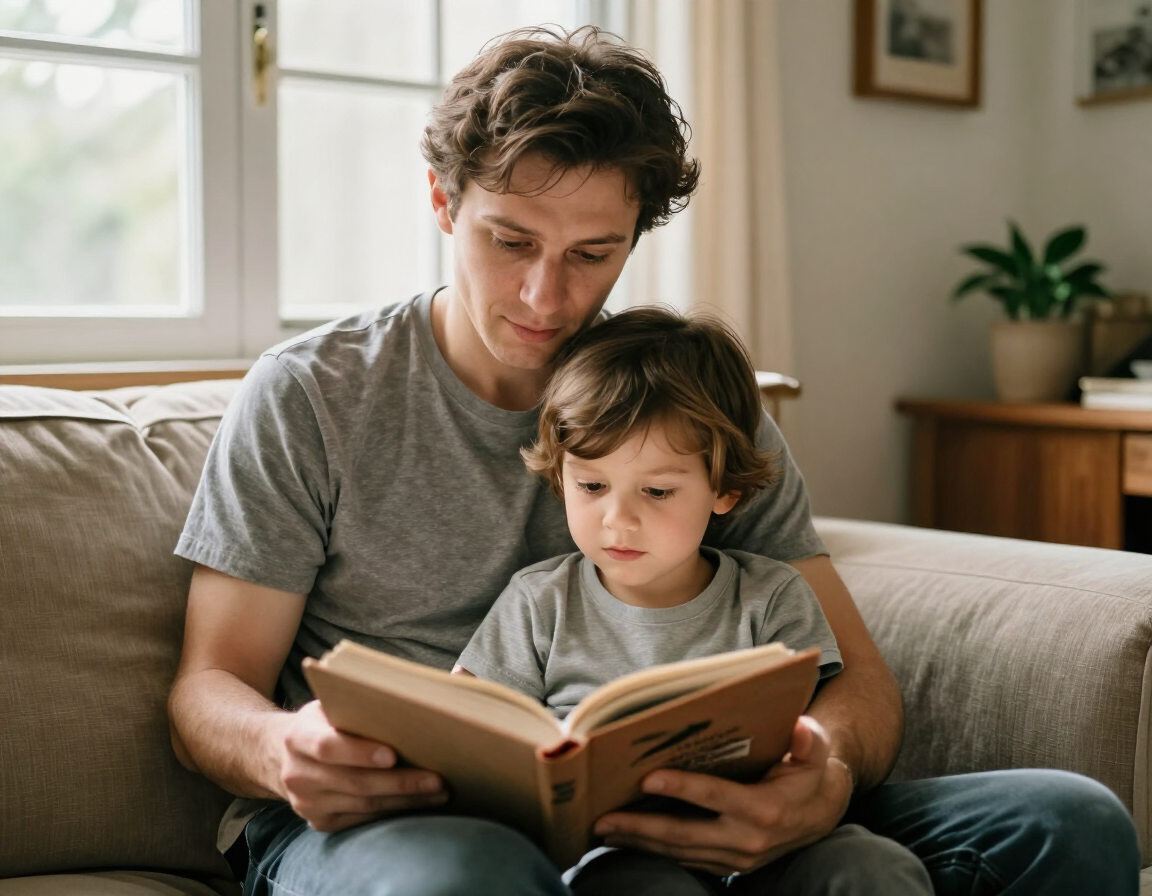
Autistic children thrive when the people around them offer patience, structure, and genuine acceptance. Simple things make a big difference: using clear and consistent communication, respecting sensory needs, celebrating individual strengths, and allowing children to engage with the world in ways that feel comfortable to them.
Families raising autistic children benefit from encouragement, community, and practical resources just as much as their children do. No parent should feel like they are navigating this journey alone.
Building Inclusive Communities for Autistic Children
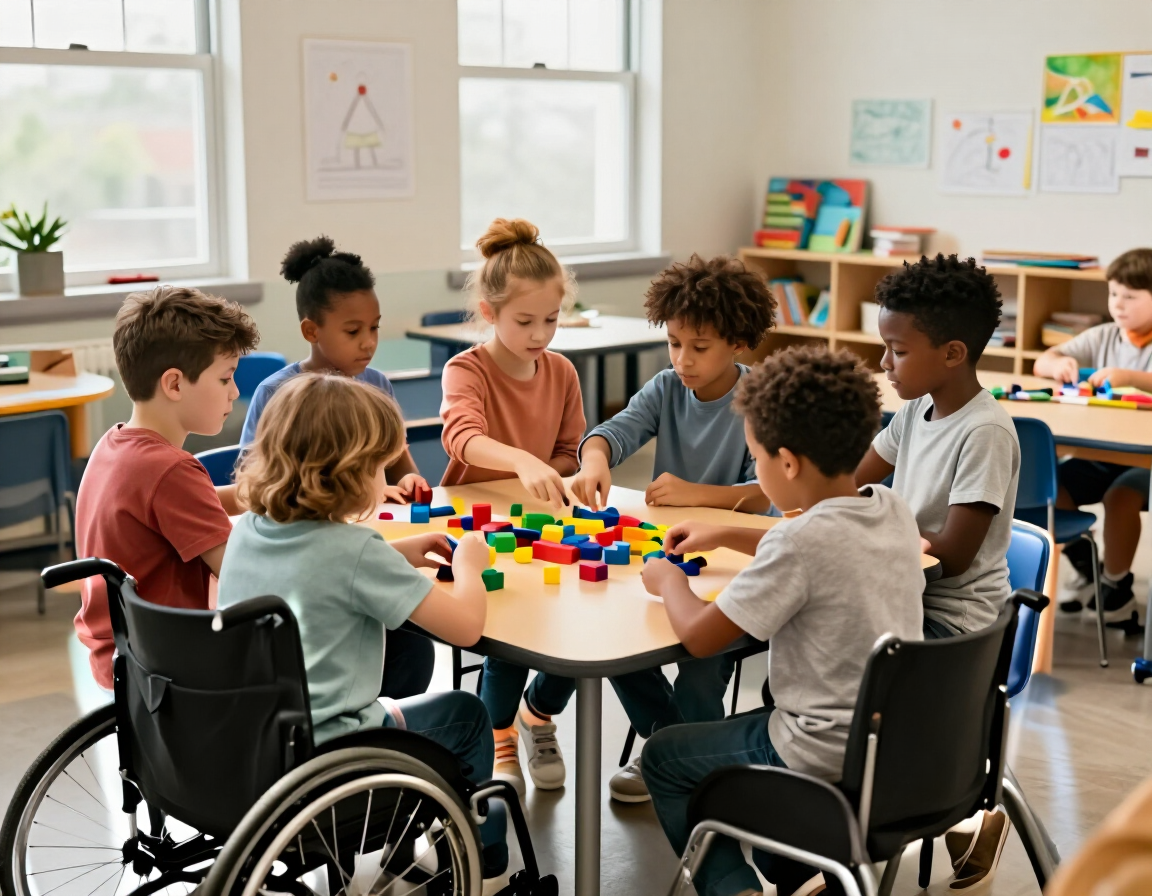
Inclusion happens when schools, churches, businesses, and neighborhoods make room for autistic children to participate fully — not as an exception, but as a valued part of the community.
Small, consistent efforts matter: training staff and volunteers, offering sensory-friendly spaces, inviting autistic children into activities and events, and simply treating every child with respect and curiosity rather than judgment.
Common Questions About Autism
What is autism?
Autism is a developmental difference that affects how a person communicates, interacts, processes sensory information, and experiences the world. It is a lifelong part of who someone is, not an illness.Is every autistic child the same?
No. Autism looks different in every child. Some children are highly verbal, others communicate differently; some seek routine, others adapt easily. Getting to know each child individually matters most.Can autistic children live full, joyful lives?
Yes. With understanding, acceptance, and the right support, autistic children can build strong relationships, pursue their interests, and thrive in their own unique way.How can I support an autistic child in my family, school, or community?
Start with patience and curiosity. Learn how the child communicates, respect their sensory needs, and include them in activities in ways that feel comfortable for them.Does X Marks the Spot Foundation provide medical diagnosis or treatment for autism?
No. The foundation provides educational information and encouragement. We always recommend speaking with a qualified healthcare professional for diagnosis, therapy, or medical guidance.
Family Stories and Helpful Resources
Real stories from families raising autistic children can offer encouragement, perspective, and a reminder that no one is navigating this journey alone. Explore stories from families who understand what you're experiencing.
X Marks the Spot Foundation provides educational information to raise awareness and understanding. This content is not medical advice and does not replace guidance from a qualified healthcare professional. If you have questions about a child's development, diagnosis, or care, please consult a licensed physician, therapist, or specialist.