
Every Child's Experience Is Different
No two children with cerebral palsy are the same. Some children walk independently with slight differences in gait, while others use walkers, wheelchairs, or other mobility aids. Some children experience challenges with speech or fine motor skills, while others do not. Cerebral palsy can also vary in how it affects muscle tone, coordination, and balance from one child to the next.
Understanding this diversity helps families, educators, and communities avoid assumptions and instead meet each child where they are — recognizing their individuality, strengths, and personality first.
Mobility, Accessibility, and Supporting Development
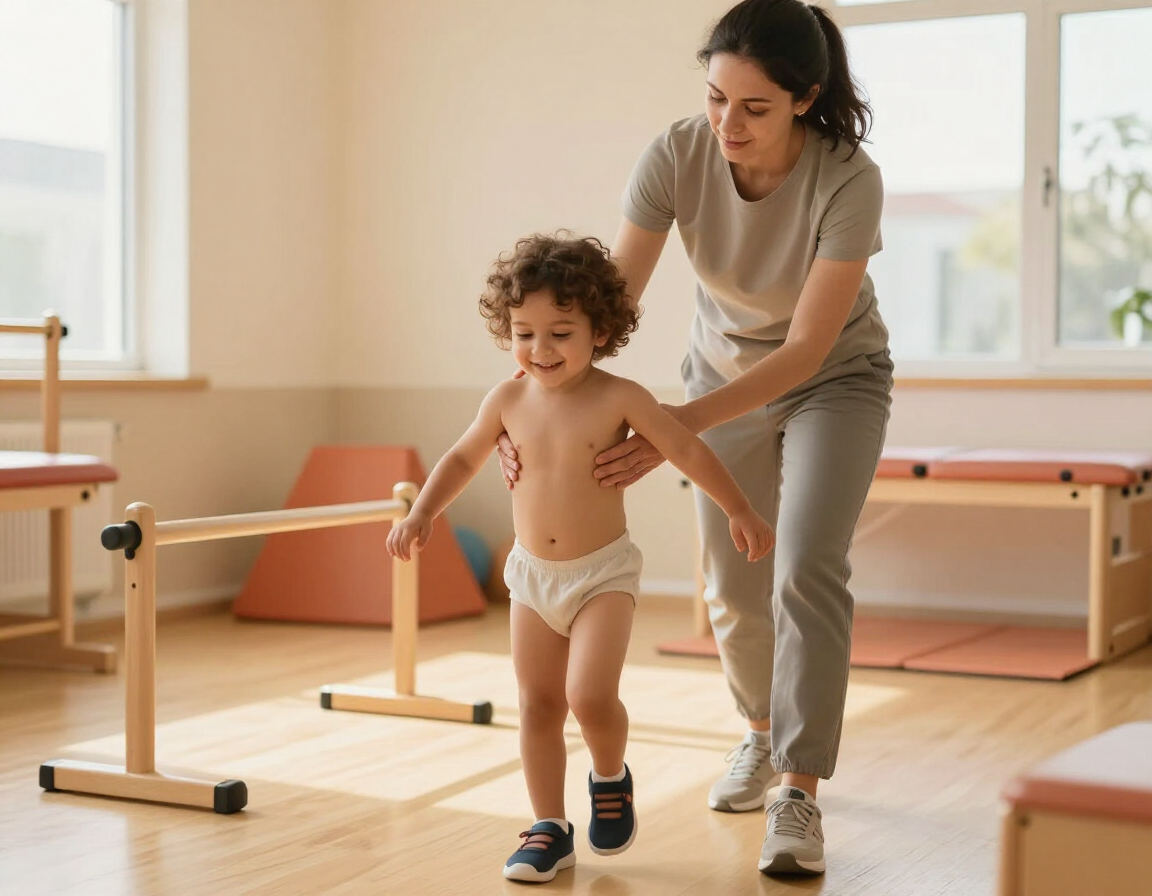
Mobility looks different for every child with cerebral palsy — some children walk with assistance, some use wheelchairs or walkers, and some use a combination of mobility tools depending on the day or activity. Accessible spaces, ramps, adaptive equipment, and thoughtful design all help children move through the world with greater independence and confidence.
Many families also work with physical therapists, occupational therapists, and other specialists to support their child's development, strength, and coordination over time. Every family's path looks different, and progress is measured in each child's own milestones.
Family Support, Inclusion, and Community Awareness
Family Support
Families navigating cerebral palsy often face unique questions and milestones. We aim to help them feel seen, encouraged, and connected to others on a similar journey.
Inclusion
Children with cerebral palsy deserve to be welcomed, respected, and given real opportunities to participate — at school, at church, and in their communities.
Community Awareness
Helping neighbors, schools, and local organizations better understand cerebral palsy builds more accessible and compassionate communities.
Everyday Encouragement
Small acts of understanding and patience make a meaningful difference in the daily lives of children and families living with cerebral palsy.
Common Questions About Cerebral Palsy
What is cerebral palsy?
Cerebral palsy is a group of lifelong conditions that affect movement, posture, coordination, and balance. It is caused by differences in brain development that happen before, during, or shortly after birth.Does cerebral palsy look the same in every child?
No. Cerebral palsy affects every child differently — some children walk independently, others use mobility aids like walkers or wheelchairs, and the degree of impact on speech, coordination, and muscle tone varies widely.Can children with cerebral palsy go to school and participate in community life?
Yes. With the right support, accessibility, and understanding, children with cerebral palsy can participate fully in school, church, sports, and community activities.Is cerebral palsy the same thing as autism?
No. Cerebral palsy and autism are different conditions, though some children may experience both. Cerebral palsy primarily affects movement, while autism affects communication, social interaction, and sensory processing.Where can families find more support?
X Marks the Spot Foundation shares family stories, encouragement, and educational resources. Visit our Family Resources page or reach out through our Contact page to connect with our community.
Family Stories and Helpful Resources
Real stories from families navigating cerebral palsy can offer encouragement, perspective, and a reminder that no one walks this journey alone. Explore stories from children and families, and find additional resources to support your family's path.
X Marks the Spot Foundation provides educational and encouragement-focused content. This information is not medical advice and does not replace guidance from qualified healthcare professionals. Please consult your child's doctor or therapist for personalized medical guidance.